Real vs Fake Crystals: A Wholesale Buyer’s Quality Guide [2026]


As crystals have grown into a mainstream retail category, dyed, treated and imitation stones have grown right alongside them. For a crystal shop owner or buyer, one mislabelled lot can undo months of trust-building: dye that rubs off, “citrine” that is actually heated amethyst, “turquoise” that is dyed howlite. The cost is not just the stock — it is complaints, returns and a reputation hit.
Telling real vs fake crystals at wholesale comes down to three habits: know the common fakes for each stone you stock, run a physical check on sample lots before committing to depth, and buy from suppliers who disclose treatments in writing. None of it requires lab equipment — a loupe, a bright light and the right questions cover most of the risk.
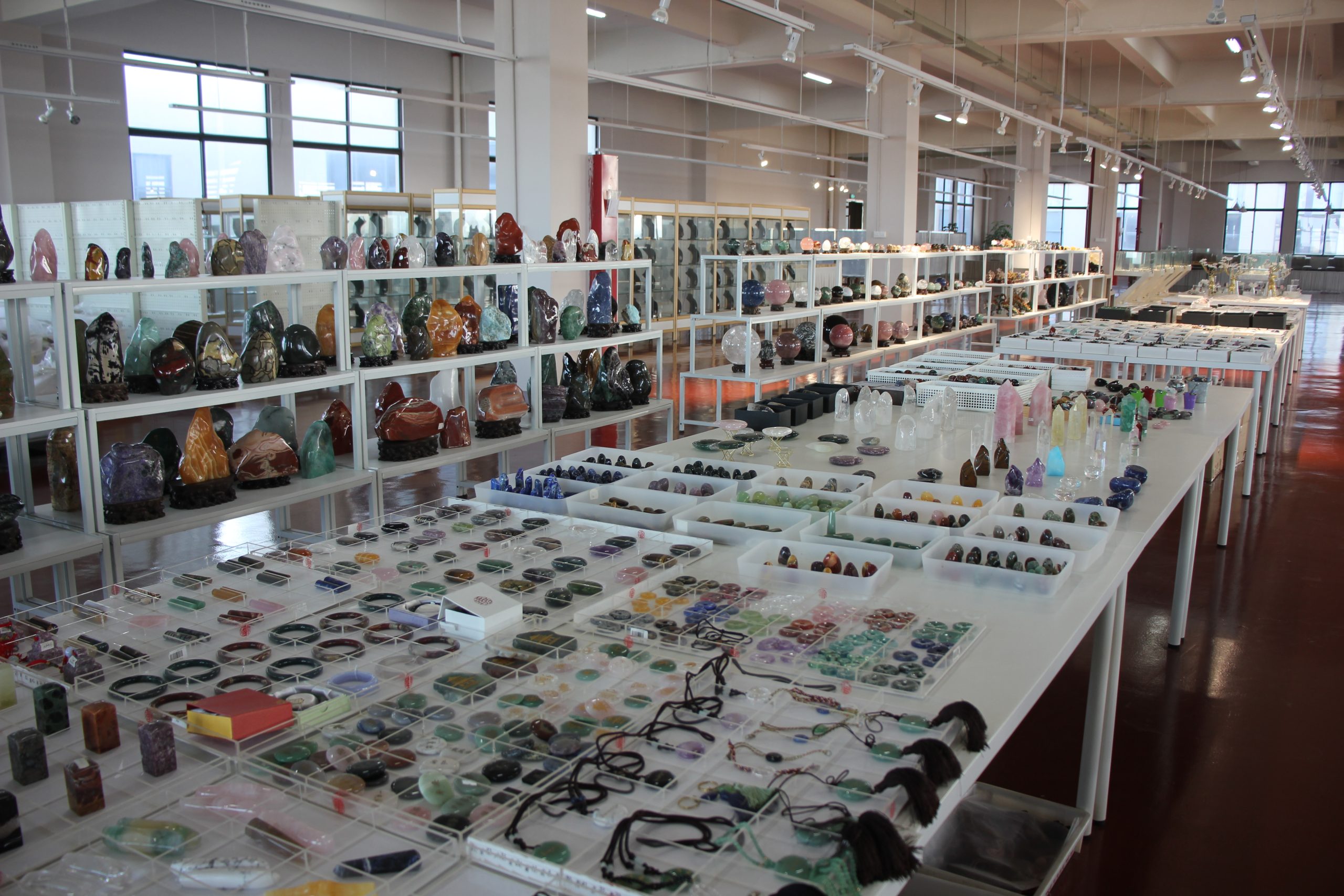
This guide is written for B2B buyers, not collectors. It covers what “fake” actually means in the trade, the faking and treatment methods you will meet most often, stone-by-stone verification points, and how to verify quality at the supplier stage — the way we quality-check lots at Marvelous Gems, a Hong Kong wholesale supplier with our own factory in Xiamen since 1985.
Key Takeaways
- Most “fake crystals” in wholesale are one of four things: dyed natural stone, glass or plastic imitations, reconstituted (resin-bonded) material, or undisclosed treatments such as heat and aura coatings.
- The highest-risk lines are turquoise (dyed howlite or magnesite), citrine (heat-treated amethyst or glass) and any ultra-vivid dyed agate or quartz.
- Opalite is man-made glass, not a natural mineral — a legitimate product only when labelled as man-made.
- Fast physical checks: round gas bubbles under a loupe mean glass; dye pooling in cracks and drill holes means dyed; glass and plastic warm in the hand while real stone stays cool.
- The strongest protection is supplier-side: sample lots first, written treatment disclosure per batch, and a factory-backed supplier such as Marvelous Gems (est. 1985) that will stand behind labelling.
Table of Contents
- What Counts as a Fake Crystal?
- Common Faking & Treatment Methods
- Quick Reference: Common Fakes by Stone
- How to Verify Quality at the Supplier Stage
- Honest Labelling Is a Competitive Advantage
- FAQ
What Counts as a Fake Crystal?
A fake crystal is any stone sold as something it is not — the problem is misrepresentation, not the material itself. In the wholesale trade, “real vs fake” is less a binary than four categories, and each carries a different level of risk for your shop:
- Natural, untreated stone — what most buyers assume they are getting; variation and inclusions are normal.
- Treated natural stone — dyed, heated, irradiated or coated. Legitimate when disclosed (heat-treated citrine is an industry standard), a liability when hidden.
- Man-made material — opalite, goldstone, lab-grown quartz. Fine to stock, as long as it is labelled man-made.
- Imitations — glass or plastic sold as natural stone, or one cheap stone dyed to impersonate an expensive one. This is the category that damages a retailer.
The practical rule for a buyer: you are not trying to eliminate treated or man-made stock — much of it sells well — you are trying to eliminate *undisclosed* treatment and outright imitation, so that every label in your shop is accurate.

Common Faking & Treatment Methods
Dyed stones (agate, howlite, quartz)
Dye is the most common treatment you will meet, and the easiest to catch. Ultra-vivid, unnatural colour — electric blue, neon pink, saturated single-tone purple — is the first warning; natural agate banding is subtle and varied, never fluorescent. Under a loupe, look for dye pooled in surface cracks and around drill holes, where the colour concentrates.
The buyer’s risk is colour-fastness: dye can fade in sunlight or rub off on skin and packaging, which triggers returns. Dyed agate slices and dyed howlite beads are legitimate budget lines *when sold as dyed* — always ask the supplier to confirm in writing whether a batch is dyed and how colour-fast it is.
Howlite and magnesite sold as turquoise
Dyed howlite is the single most common fake in the trade: white howlite with grey veining takes blue dye readily and is routinely passed off as turquoise. Real turquoise is also far more expensive per kilogram, so price is your first filter — genuine turquoise at howlite prices does not exist.
A hardness check settles it: howlite measures about 3.5 on the Mohs scale while natural turquoise runs 5–6, so a steel point (hardness ~5.5) scratches howlite easily but barely marks turquoise. On dyed material, a scratch or a chipped drill hole also exposes the white body under the blue surface layer.
Glass sold as quartz or citrine
Glass is the standard imitation for the quartz family — clear quartz, citrine, amethyst and “cherry quartz” (which is always glass). The definitive check is a 10x loupe: round gas bubbles inside the material mean glass, every time. Natural quartz shows angular inclusions, veils and colour zoning — never spherical bubbles.
Two supporting checks: glass warms quickly in a closed hand while quartz stays cool noticeably longer, and glass often shows mould seams or a slightly soft, rounded facet finish on shaped pieces. On price: flawless, perfectly clear “quartz” spheres at a fraction of market rate are glass until proven otherwise.
Man-made opalite and goldstone
Opalite is a man-made opalescent glass — not a natural mineral, and not related to opal. You can recognise it by a too-perfect, uniform milky glow that flashes blue against dark backgrounds and orange in transmitted light, with none of the play-of-colour structure of real opal.
There is nothing wrong with stocking it: opalite is a strong seller at entry price points. The only risk is labelling — sell it as “opalite (man-made glass)”, never as opal or “sea opal stone”. The same applies to goldstone, a copper-flecked glass that is sometimes passed off as a natural sparkling mineral.
Reconstituted and resin-bonded stone
Reconstituted stone is ground mineral powder bonded with resin and pressed into shape — common in cheap “turquoise” and “malachite” lines. Tells include machine-perfect colour uniformity, visible flow lines or swirls that repeat across pieces, a plastic-like warmth and feel, and a lighter heft than solid stone of the same size.
Some buyers stock reconstituted lines deliberately at budget price points, and that is a legitimate choice — but your customers must know. Ask every supplier directly whether a batch is solid natural stone or reconstituted; a supplier who cannot answer that question plainly is telling you something.
Heat-treated and coated (aura) stones
Heat treatment and coatings are treatments, not fakes — the base stone is natural — but they must be disclosed. The classic case is citrine: much of the commercial citrine on the market is heat-treated amethyst, recognisable by a deep orange-brown tone with a white or milky base, where natural citrine tends to a paler, even smoky yellow. Aura and AB finishes are metallic coatings vapour-bonded onto quartz; the iridescent film is obvious and simply needs honest naming.
For a buyer these are accepted, fast-selling lines. The only question that matters is whether the supplier labels them — at Marvelous Gems, heated and coated items are listed as such by name on every lot, so you can carry the disclosure straight through to your own labels.
Quick Reference: Common Fakes by Stone
Use this table as a receiving-desk cheat sheet when a new lot arrives. The core answer for every stone is the same: check colour plausibility, check under a loupe, and check the price against the market.

| Stone | Common fake / issue | How to tell |
|---|---|---|
| Turquoise | Dyed howlite or magnesite; reconstituted blocks | Steel-point scratch test (howlite ~3.5 vs turquoise 5–6); white body under chips; price too low |
| Citrine | Heat-treated amethyst; orange glass | Orange-brown colour with milky white base = heated; bubbles under loupe = glass |
| Clear quartz | Glass spheres and points | Round gas bubbles under 10x loupe; warms fast in hand; flawless clarity at low price |
| Amethyst | Dyed pale quartz; glass | Ultra-uniform purple with no zoning; dye pooled in drill holes and cracks |
| Agate | Dyed banding in neon colours | Electric blue/pink tones; dye concentrated in surface cracks |
| Opalite | Sold as “opal” or natural stone | It is always man-made glass — uniform milky glow, orange flash in transmitted light |
| Malachite | Reconstituted or painted resin | Repeating printed-look banding; light weight; warm plastic feel |
| Rose quartz | Dyed quartz or glass in deep pink | Natural rose quartz is pale to mid pink and slightly hazy; vivid transparent pink is suspect |
How to Verify Quality at the Supplier Stage
The cheapest place to catch a fake is before it ships — supplier-side verification beats receiving-desk inspection every time. Build these steps into your ordering routine:
1. Sample before scaling. Order a small trial lot of any new line and run your physical checks (loupe, hardness point, warmth test) before committing to depth.
2. Ask the four disclosure questions. For every batch: Is it natural or man-made? Is it dyed? Is it heated or irradiated? Is it coated or reconstituted? Get the answers in writing on the quote or invoice.
3. Request natural-light photos or video of the actual lot — not catalogue renders — including close-ups of drill holes on beads and bracelets, where dye shows first.
4. Check the price against the market. A price far below every other quote for the same stone and grade is the single most reliable fake indicator in the trade.
5. Confirm the replacement policy. A serious supplier guarantees natural material where stated and replaces mislabelled stock; get that commitment before the first order.
6. Prefer factory-direct suppliers. The fewer hands between the mine and your shelf, the fewer chances for a lot to be swapped or relabelled. Marvelous Gems cuts and polishes in our own Xiamen factory, so every lot is quality-checked at source before it ships from Hong Kong.

For a broader sourcing framework — assortments, price points and reordering — see our guides on starting and stocking a crystal business and the best-selling crystals for retail shops. For stone-specific grading depth, our wholesale amethyst buyer’s guide shows how grade and treatment disclosure work on a single line.
Honest Labelling Is a Competitive Advantage
For a B2B supplier, transparency is a selling point, not a concession. At Marvelous Gems we work mine-to-market from our own workshop in Xiamen, China, and quality-check lines before they ship — so we can tell you plainly whether a batch is natural, dyed, heated or coated, and our treated and man-made items are listed as such by name.
That discipline transfers directly to your shop: when you can label every piece accurately — “natural”, “dyed”, “heat-treated”, “man-made glass” — you convert the fake-crystal anxiety your customers arrive with into trust, repeat purchases and word of mouth. Retailers who label honestly also spend far less time on complaints and returns.
FAQ
Is opalite a real crystal?
No — opalite is a man-made opalescent glass, not a natural mineral. It is a legitimate and popular line as long as it is described honestly as man-made, rather than sold as opal or a natural stone.
How can I tell if amethyst has been dyed?
Dyed amethyst shows unnaturally uniform, intense purple with colour concentrated in cracks and drill holes. Natural amethyst almost always shows colour zoning — lighter and darker areas within one piece.
Does heat treatment make a crystal fake?
No. Heat treatment (for example, turning amethyst into citrine) is a long-accepted trade practice and the material remains natural stone. What matters is disclosure, so you can label the product accurately for your customers.
Is howlite a real stone?
Yes — howlite is a genuine natural mineral in its own right, white with grey veining. It only becomes a problem when it is dyed blue and sold as turquoise; sold under its own name, dyed or natural, it is a legitimate budget line.
Do you disclose treatments on wholesale crystal orders?
Yes — every Marvelous Gems lot ships with treatments disclosed, and coated, heated or man-made items are labelled by name. For documentation requirements in your market, contact [email protected] or WhatsApp +852 5905 6099 before ordering.
Source Quality-Checked Crystals from Marvelous Gems
Marvelous Gems has been a Hong Kong B2B crystal and gemstone supplier since 1985, with our own cutting and polishing factory in Xiamen and a showroom at Unit 23-24, 8/F, Block B, Focal Industrial Centre, Hung Hom, Kowloon, Hong Kong. Every line is quality-checked at source, treatments are disclosed by name, and 100+ stones can be mixed in one low-MOQ order.
- Open a trade account: register at marvelous.com.hk — we verify your business and unlock wholesale pricing
- Request a quote: [email protected]
- Call / WhatsApp: +852 5905 6099
- Visit the showroom: Hung Hom, Kowloon, Hong Kong